Our Featured Floor Plan – The Barlow
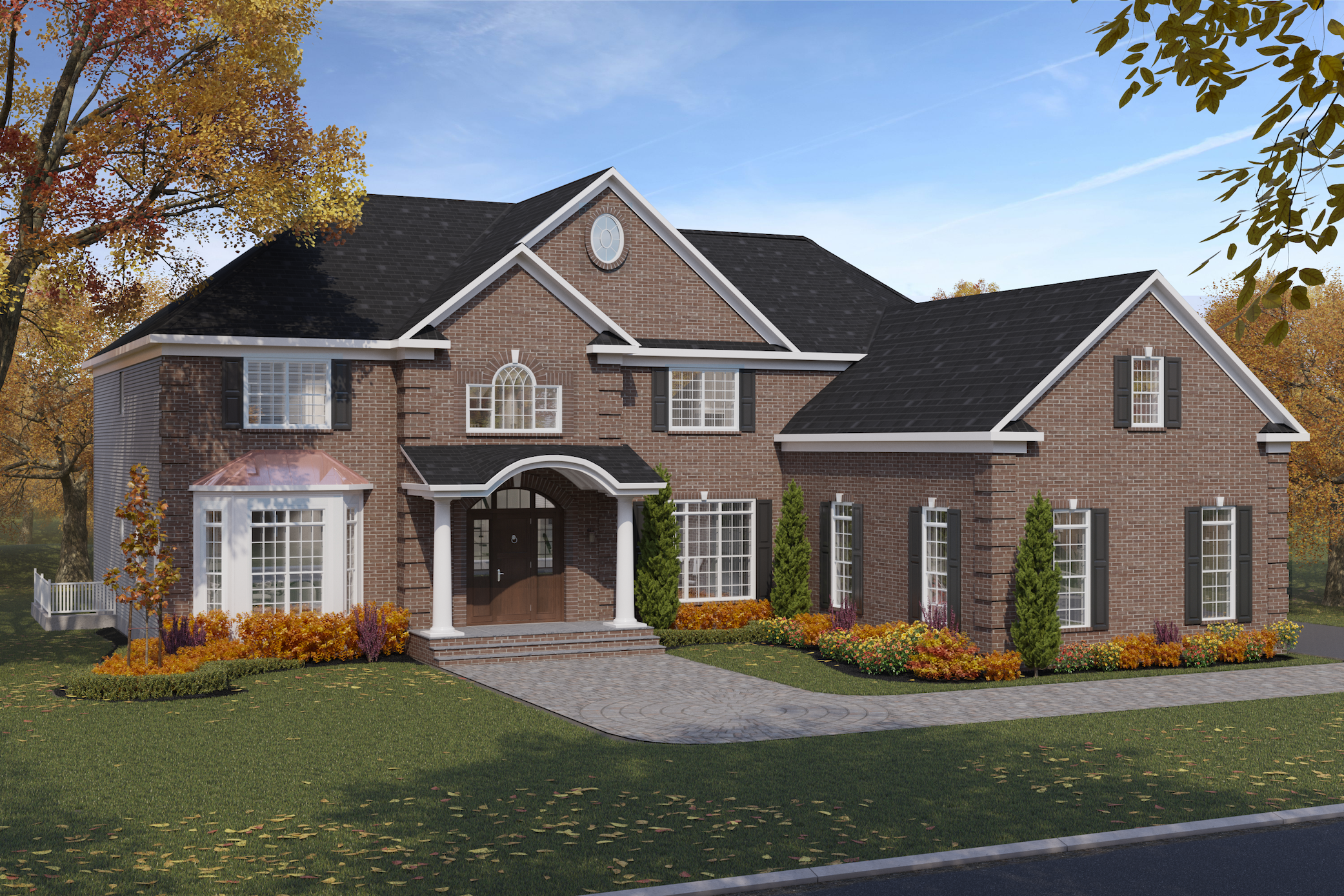 Allow us to introduce The Barlow. It has 4,992 square feet of living space, with 4 bedrooms, 4.5 baths, and a 3-car garage. Like most of the plans we offer, The Barlow is a classically designed home, evoking an unusual level of grace and sophistication. The first floor is designed to fit today’s families, featuring everything you need for daily life – a large open living area, a huge mud room, plenty of storage, and flexible rooms that can adapt to your needs.
The Barlow features a stately front porch, which leads into a dramatic 2-story foyer highlighted by a sweeping central staircase. Just beyond the foyer, the combined great room/breakfast room/kitchen is the heart of the home. The gorgeous kitchen is the focal point, featuring white, Shaker-style cabinets, stainless steel, gourmet-style appliances, and a large center island with seating. The adjacent formal dining room is ideal for holidays and celebrations. The study is just off the great room, and offers a peaceful space to work or relax, while the living room adjacent to the foyer is perfect for entertaining guests. There is also a mud room with benches, cubbies & closets.
Upstairs, the elegant master suite includes an extensive walk-in closet, and a l uxurious bath with a shower and freestanding tub, marble tiles, and a double vanity. The additional bedrooms and baths are spacious and comfortable, with generous closet space. The second floor is also home to the laundry room, and may also include a large bonus room above the garage – the perfect spot for a game room, media room, fitness room or play room. A finished basement is another option for this spacious home as well. The Barlow also has dozens of stunning Calvosa details that make it unique, like white oak floors, 9-foot ceilings, a gas fireplace, vaulted ceilings, deluxe molding and trim, and a brick façade with elegant moldings.
The Calvosa Organization builds luxury custom single-family homes on the South Shore of Long Island, New York. Our unique approach to building is known as the “Calvosa Touch”, a blend of creative ideas, old world craftsmanship, and innovative technology that creates beautiful, functional homes. When you’re ready to build the home of your dreams, come see our quality and dedication for yourself.
Virtual Reality is Becoming a Vital Part of the Construction Business
The problem, of course, is that drawings or renderings – no matter how skillfully done – can’t quite convey the dimensional essence of a structure. Designers and builders have used scale models to simulate the physical aspects of a building, but models are time-consuming and costly to build, and can’t adequately express how it feels to be inside the structure.
Virtual Reality applications are transforming the way builders plan, manage, construct, and market their projects. Residential builders especially benefit from being able to give potential homebuyers the experience of being inside their future home, moving around, and changing materials, colors, and fixtures. With our virtual renderings, prospects are coming to communities expecting to see a fully furnished model. The designs put into these renderings are so detailed that many people are having a hard time distinguishing the difference.
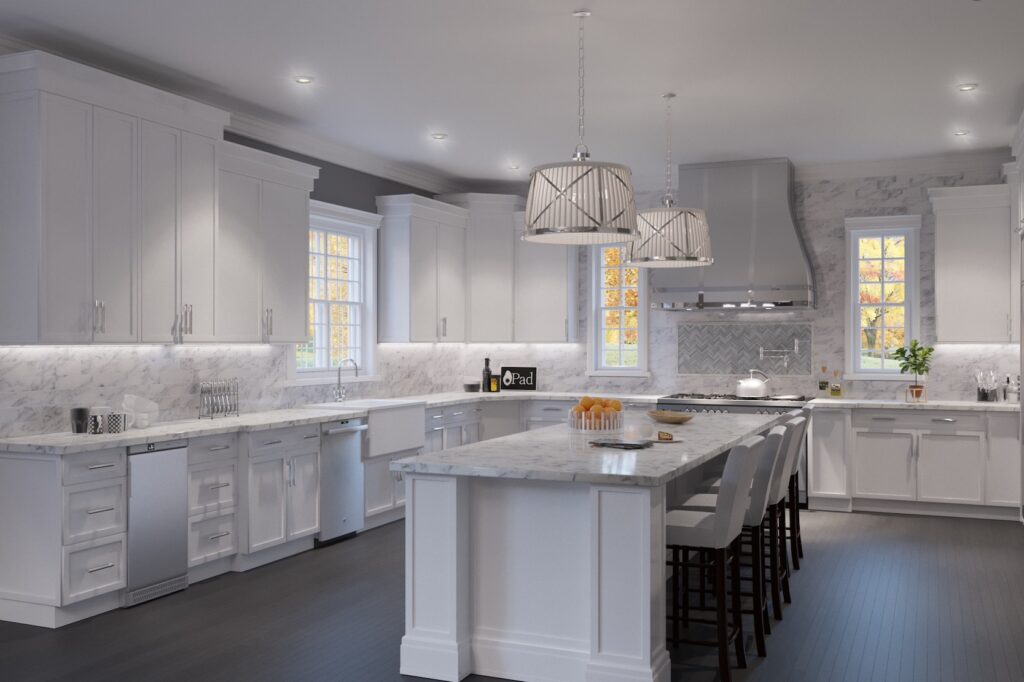
VR programs are definitely a game changer for an industry that is always looking for a way to “WOW!” their prospects. For builders, the more realistic the experience offered, the more likely a potential buyer becomes a definite buyer.
But VR requires a serious investment of time and money. In addition to specially designed virtual renderings, virtual tours require high-quality video and photography. As noted in a recent New York Times article, “A New Dimension in Home Buying: Virtual Reality”, setting up VR renderings isn’t cheap or easy. It can take months to build the virtual structures. But many residential builders and real estate experts think Virtual Reality is definitely worth the expense. As one real estate marketing expert noted, ”We sell based on emotion, and attaching that emotion to a vision. For a salesman, VR is a dream come true.”
The bottom line for most builders, though, will be their bottom lines. Is the ROI for Virtual Reality worth it? Many think it is. In addition to its obvious sales applications, VR is being used by architects, engineers and builders on construction sites, for reviewing plans, systems and materials in 3D before orders are placed or one shovel of dirt is lifted.
An article in the MIT Technology Review entitled “Augmented Reality Could Speed Up Construction Projects” demonstrated how one commercial builder saved thousands in labor costs when he noticed while reviewing a virtual mock up of a project that the steel frames he had planned to order were too long to fit the actual design. Rather than having to make adjustments on site, he was able to call the supplier and ask them to cut the frames before they were shipped to the site.
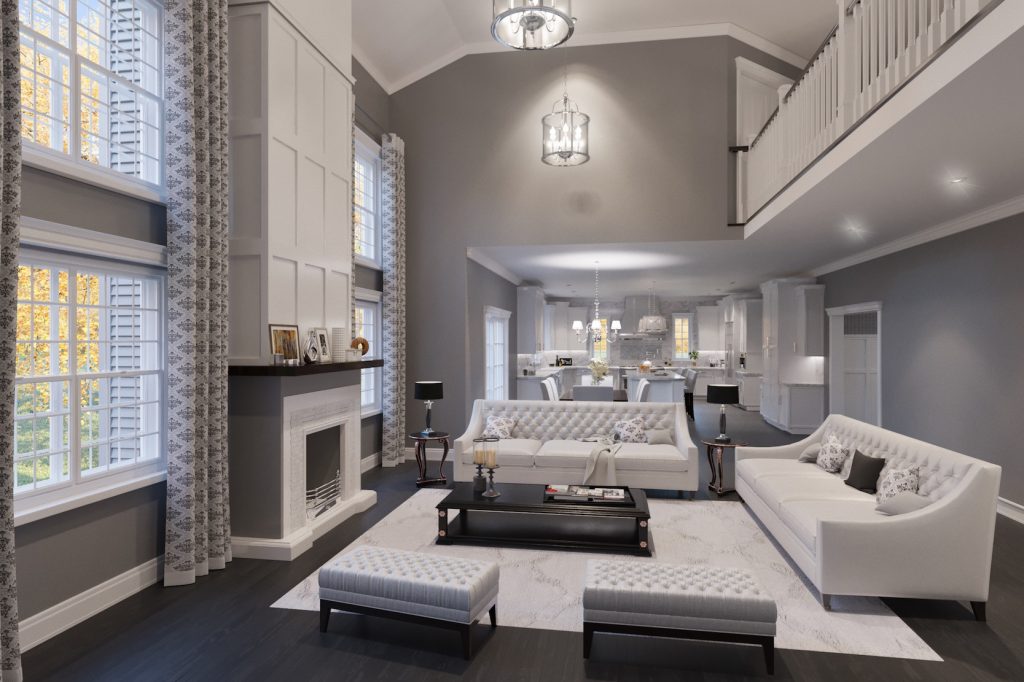
Residential builders foresee similar savings. If companies can help home buyers visualize what their homes will be like, and allow them to make changes before construction begins, it will reduce stress levels and save money. Both sides will benefit.
It’s likely that Virtual Reality will be part of the construction industry for some time to come, especially as the technology evolves and the quality improves. Visitors ask me all the time ‘Where’s the model we saw in the video online?’ They think it’s a real home. That’s how good the quality of the Virtual Tour videos is.”
The long-term effects could be interesting, too. For example, VR could eliminate the need for open houses. And evolving haptic or touch technology will let users see their own hands in the VR world, allowing them to open doors. Developers are trying to master smell and taste technology, too.
Virtual Reality really is a whole new world.